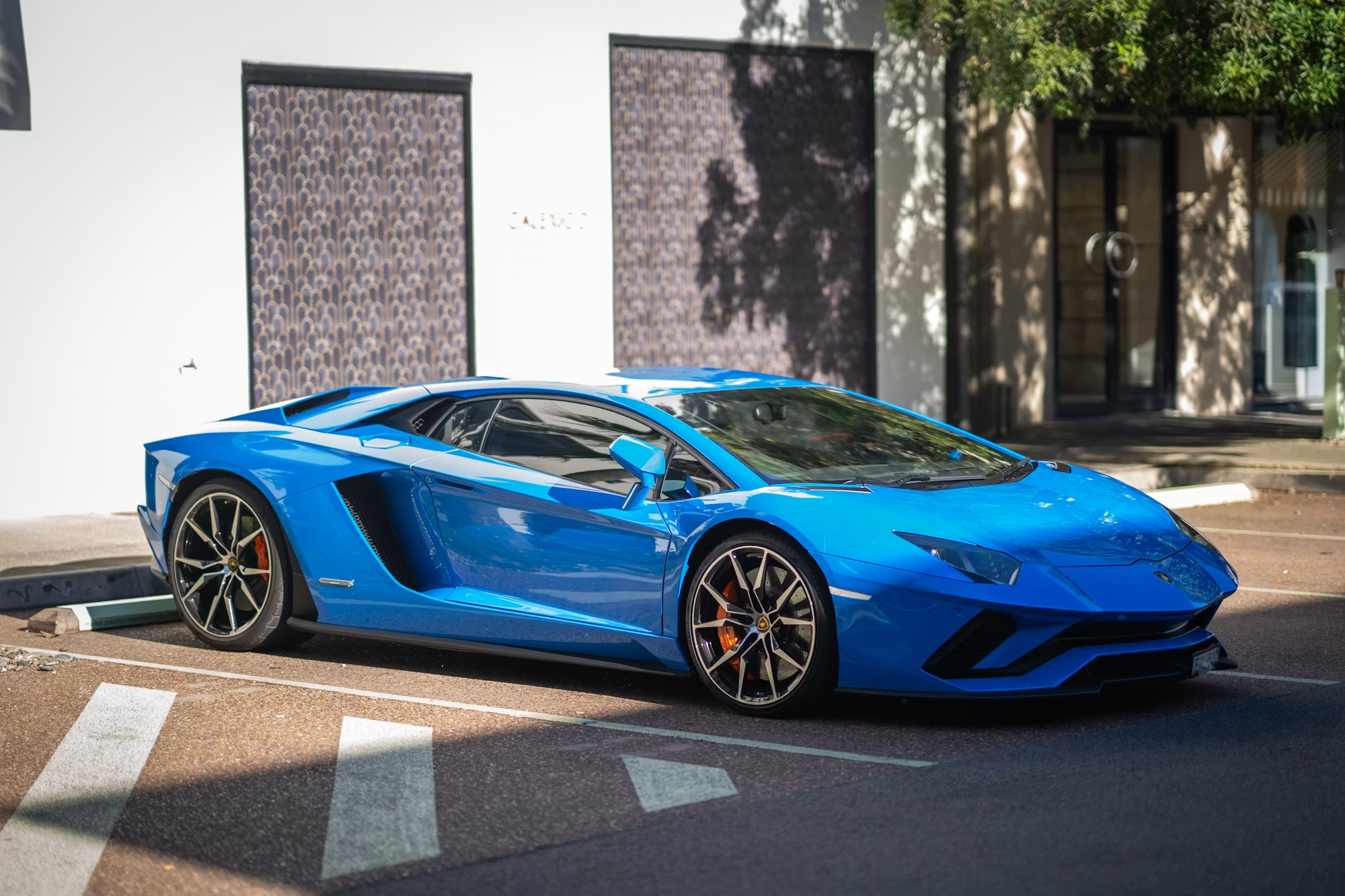
Supercars are often regarded as the pinnacle of automotive achievement, where art meets science in a spectacular fusion of design and engineering. From their breathtaking aesthetics to their groundbreaking performance capabilities, these vehicles capture the hearts and imaginations of enthusiasts worldwide. The journey of creating a supercar is a meticulous process, involving countless hours of research, development, and collaboration among various disciplines.
At the heart of supercar design is the pursuit of speed and performance. Engineers and designers work together to create vehicles that not only look stunning but also perform exceptionally well on the road and the racetrack. Aerodynamics plays a crucial role in this process, as it directly affects a car’s stability, speed, and efficiency. The use of wind tunnels and computer simulations allows designers to test and refine shapes that minimize drag and maximize downforce, ensuring that the car can slice through the air with minimal resistance.
For instance, the Lamborghini Huracán exemplifies this approach with its sharp lines and aggressive stance. Every curve and angle has been meticulously crafted to enhance aerodynamic efficiency. The design team conducts extensive testing to determine how air flows over the vehicle, making adjustments to ensure that it remains stable at high speeds. This focus on aerodynamics is not just about performance; it also influences the overall aesthetic of the car, giving it a dynamic and powerful look that is instantly recognizable.
Another significant aspect of supercar design is the use of lightweight materials. To achieve high performance, manufacturers often turn to advanced materials such as carbon fiber and aluminum. These materials provide the strength necessary for structural integrity while keeping the overall weight of the vehicle down. The McLaren P1, for example, utilizes a carbon fiber monocoque chassis that significantly reduces weight without compromising safety or performance. This focus on weight reduction allows for quicker acceleration, better handling, and improved fuel efficiency, aligning with the growing emphasis on sustainability in the automotive industry.
The design of supercars also extends to their interiors, where luxury and technology come together to create an immersive driving experience. High-quality materials, such as leather and aluminum accents, are combined with advanced infotainment systems to provide drivers with both comfort and functionality. The Ferrari 488 GTB features an interior designed to put the driver in command, with controls intuitively placed for ease of access. Every detail, from the seating position to the layout of the dashboard, is engineered to enhance the driving experience and create a sense of connection between the driver and the machine.
In recent years, the integration of technology into supercar design has become increasingly important. Manufacturers are leveraging innovations such as adaptive suspension systems, advanced traction control, and even artificial intelligence to enhance performance and safety. The Mercedes-AMG GT, for instance, employs a sophisticated electronic stability program that adjusts power distribution to individual wheels, optimizing grip and control during dynamic driving conditions. This blend of technology and performance not only elevates the driving experience but also ensures that supercars remain at the forefront of automotive advancement.
The aesthetic appeal of supercars is a vital part of their identity. A supercar must turn heads and evoke emotion, serving as a visual representation of the performance that lies beneath the surface. The design language varies from manufacturer to manufacturer, reflecting their unique brand philosophies. For instance, the distinctive angular design of a Lamborghini contrasts sharply with the elegant curves of an Aston Martin, yet both evoke a sense of power and exclusivity.
Color and finish also play a significant role in the visual impact of supercars. Custom paint options and unique finishes allow owners to express their individuality, further enhancing the car’s allure. Manufacturers often offer a range of vibrant colors and textures, ensuring that each vehicle is as unique as its owner. This personalization extends beyond aesthetics, as supercar owners often collaborate with manufacturers to create bespoke features that reflect their style and preferences.
The community surrounding supercars is another crucial element of their culture. Enthusiasts, collectors, and admirers come together at events, car shows, and track days, celebrating their shared passion for these extraordinary vehicles. This culture fosters a sense of camaraderie and competition, driving the industry forward as manufacturers strive to outdo one another in terms of performance, design, and technology. Social media has amplified this culture, allowing enthusiasts to showcase their vehicles and connect with like-minded individuals across the globe.
As we look to the future, the evolution of supercar design will continue to be influenced by advancements in technology and changing consumer expectations. The rise of electric and hybrid powertrains is already reshaping the landscape, pushing manufacturers to rethink traditional design principles. The Rimac C_Two, an all-electric hypercar, demonstrates how electric technology can deliver incredible performance while adhering to a sustainable ethos. With rapid advancements in battery technology and electric motors, the supercar of tomorrow may offer performance metrics previously thought unattainable.
In conclusion, the art and science of supercar design represent the culmination of human ingenuity and passion. These vehicles are not merely machines; they are expressions of creativity, innovation, and the relentless pursuit of excellence. As designers and engineers continue to push the boundaries of what is possible, supercars will remain a symbol of aspiration and achievement, inspiring future generations to dream big and drive fast. The journey of creating a supercar is a testament to what can be achieved when artistry meets engineering, and the result is nothing short of spectacular.